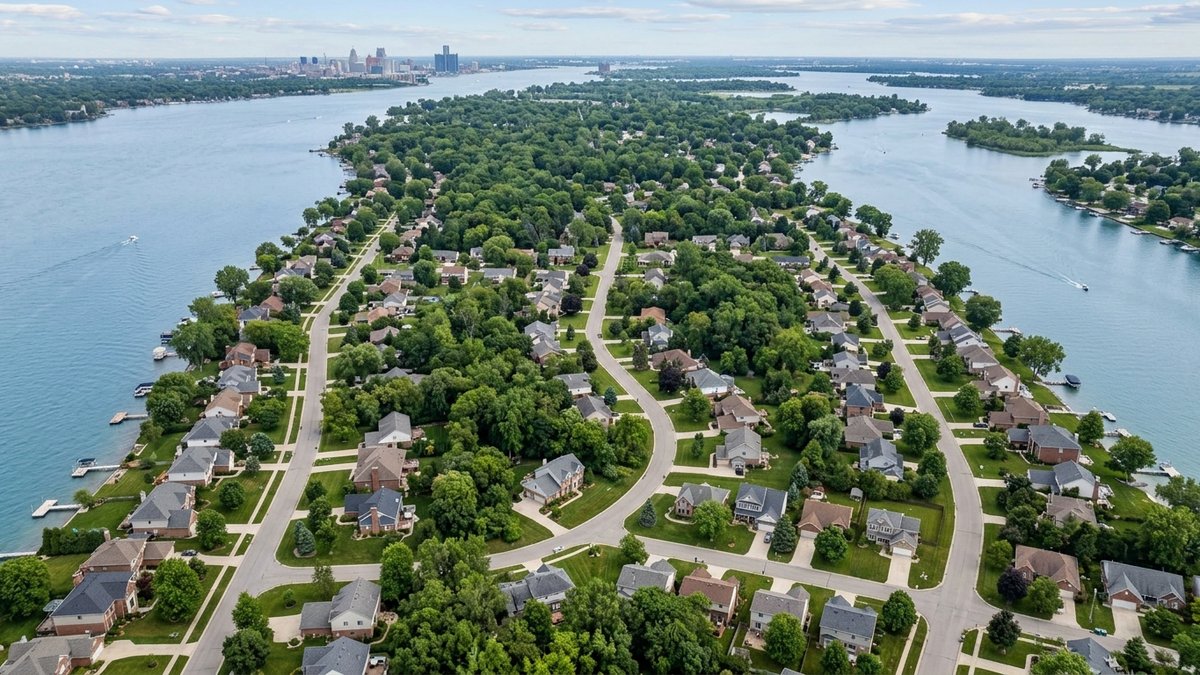
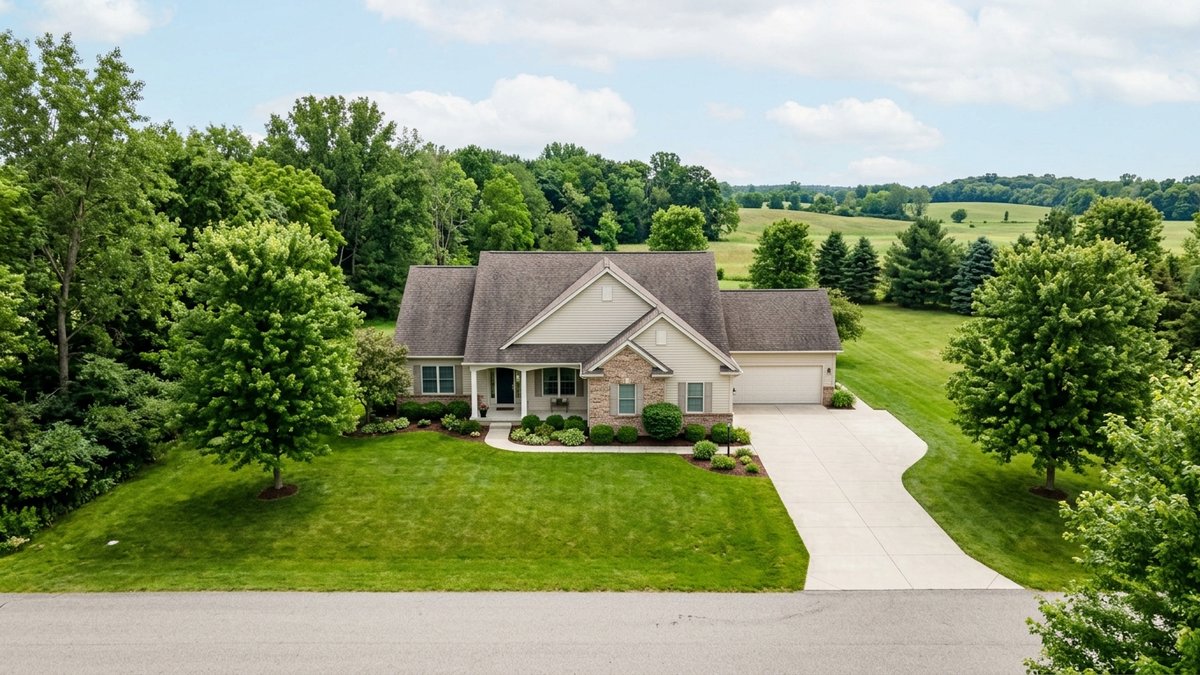
Sell Before Buying in Grosse Ile Michigan?
Should you sell first in Grosse Ile right now?
Selling first is usually the cleaner move if your next purchase depends on the equity from your current Grosse Ile home. You know your net proceeds before you write the next offer, and you avoid guessing about two payments at once.
That matters more in a market that is moving, but not flying. Redfin reported Grosse Ile’s median sale price around $369,000 in February 2026, with homes averaging 71 days on market.
Those numbers do not tell you what your house will sell for. They do tell you something useful about timing. If homes are commonly taking several weeks to sell, you need a plan before you shop like your sale is already done.
Zillow’s April 30, 2026 Grosse Ile snapshot showed a typical home value of about $397,465, up 5.0% over the past year. It also showed 35 homes for sale and 12 new listings. Public sources do not match perfectly, so treat them as context, not a pricing answer.
The practical takeaway is simple. If your down payment, debt-to-income ratio, or comfort level depends on the sale, list first. Get a serious price opinion, know your likely net, and build your purchase plan from real numbers.
This is also where the island location changes the decision. Grosse Ile has a smaller housing pool than larger Downriver cities such as Taylor, Southgate, or Allen Park. A buyer looking for a specific price point, waterfront setting, lot size, ranch layout, or bridge commute may not see the right replacement home every week.
Before you decide, compare your situation with current inventory in the Grosse Ile real estate guide. Then look at your likely sale price through a local net sheet, not a broad online estimate.
What are the biggest risks if you buy first?
The biggest risk is carrying the old home longer than planned while your next payment has already started. That can strain cash flow, weaken your comfort level, and put pressure on your listing price.
Buying first can work when the numbers support it. The problem starts when the plan depends on an optimistic sale price or a fast closing that your market has not earned yet.
Check these pressure points before you write an offer.
- Two mortgage payments: Can you afford both if your Grosse Ile home takes longer than expected to sell?
- Bridge or temporary financing: Has your lender approved the exact structure, not just discussed it casually?
- Debt-to-income ratio: Does your approval still work before your current mortgage is paid off?
- Cash reserves: Do you have room for inspection repairs, appraisal issues, moving costs, and overlap?
- Listing pressure: Would you need a quick price reduction if the first two weeks are quiet?
This is general real estate information, not legal, tax, lending, or financial advice. Verify the payment and financing side with your lender before you make an offer.
A home-sale contingency may reduce some risk, but it can also weaken your offer. A seller may prefer a buyer who does not need to sell first, especially if the property is priced well or has a rare feature.
If you buy first, your current home needs to be ready before the offer is written. Photos, prep, pricing, disclosures, and your launch plan should not start after your offer is accepted. You should know what the seller process looks like before you commit to that overlap.
When does selling first create problems?
Selling first creates problems when you do not know where you will go next. A clean sale can turn stressful fast if your replacement options are too narrow or your temporary housing plan is weak.
This comes up often with move-up buyers who want a very specific next home. You may need a certain layout, want to stay on Grosse Ile, or want a property type that does not list often. You may also be comparing Grosse Ile with Trenton, Riverview, Wyandotte, or Brownstown Township.
Selling first gives you equity certainty, but it can cost you convenience. Put one of these plans in writing before you list.
- A negotiated occupancy period after closing.
- A short-term rental or family housing option.
- A storage and moving budget.
- A lender-approved plan for buying after your sale closes.
- A flexible search area across nearby Downriver communities.
A lease-back or post-closing occupancy can help, but it has to be negotiated. The buyer, lender, title company, and insurance details all matter. Verify this with your lender, title company, attorney, or insurance professional before you rely on it.
A better plan is to separate the decisions. First, understand your selling range and likely net proceeds through a home value review. Second, define your replacement-home must-haves. Third, decide how much temporary inconvenience you can tolerate.
The right answer may change once you see the numbers. If your current home has strong equity and your replacement search is broad, selling first may feel manageable. If your search is narrow and your finances can handle overlap, buying first may be worth discussing.
How should you compare your net proceeds with inventory?
Start with your likely net, then compare it against the homes you would actually buy. A move-up plan breaks down when the sale side and purchase side are judged separately.
Your net proceeds are not the same as your sale price. You still have closing costs, payoff amounts, possible repairs, concessions, moving expenses, and any negotiated occupancy terms. If you are buying again, your lender will also care about down payment, reserves, and the timing of funds.
On the purchase side, do not look only at the median price. The public snapshots give useful context, but your target home might sit above or below those figures. A ranch, a waterfront home, and a larger updated home can behave differently in the same city.
I would compare four numbers before choosing the order:
- Your likely sale range after local pricing review
- Your estimated net after payoff and selling costs
- Your lender-approved buying power before and after the sale
- The realistic price range for the homes you would buy next
Once those numbers are side by side, the sequence usually gets clearer. If the sale unlocks the purchase, selling first protects you. If the lender says you can buy without selling and the right home is rare, buying first may deserve a closer look.
The broader Downriver real estate guide can help you compare nearby cities instead of treating Grosse Ile as your only option. Sometimes a wider search reduces the pressure to buy first.
Do not treat a public estimate as your budget. Use it as a starting point. Your actual plan should come from your property’s condition, location, price band, buyer demand, and the homes available when you are ready to move.
What sequence works best for a Grosse Ile move-up seller?
The safest sequence is usually to prepare first, list with a clear pricing plan, and shop seriously once your sale path is real. That does not always mean you wait until closing to look at homes. It means you do not write the next offer blindly.
A practical order looks like this:
- Review your current home’s likely value and needed prep.
- Ask your lender to compare buying power before and after the sale.
- Watch current Grosse Ile and Downriver inventory in your real price range.
- Decide whether temporary housing or occupancy after closing is acceptable.
- List when your pricing, photos, prep, and purchase plan are ready.
- Write the next offer with terms that match your actual sale status.
That plan keeps the two sides connected. It also avoids the common mistake of falling in love with a house before you know whether your current home supports the move.
There are exceptions. If a rare replacement home appears and your lender confirms you can carry both homes, buying first might be reasonable. If your home needs major prep, selling first may require more lead time.
The key is to plan around current data and your real constraints. Grosse Ile’s public market snapshots show activity, but they do not show a guaranteed quick sale. That makes caution valuable, especially if your next purchase depends on the proceeds.
For most homeowners, I would rather see you know your net, price correctly, and negotiate from a strong position than rush into two connected deals without a backup plan. That is the conversation to have before the sign goes up, not after you find the next house.
Frequently asked questions
Is it better to sell first or buy first in Grosse Ile?
For many Grosse Ile homeowners, selling first is safer because it confirms your equity and reduces the risk of two payments. Buying first can make sense if your next home is rare, your lender approves the structure, and you have a backup plan.
Can I make an offer before my Grosse Ile home is sold?
You can often write an offer before your home is sold, but the terms matter. A home-sale contingency may protect you, yet it can make your offer less attractive to a seller. Talk with your lender and agent before relying on that structure.
How long does it take to sell a home in Grosse Ile?
Public snapshots vary by source and date. Redfin reported 71 days on market in February 2026. Your timeline depends on price, condition, location, buyer demand, and how your home is positioned when you list.
What if I need the sale proceeds for my down payment?
If your down payment depends on your sale proceeds, selling first is usually the cleaner plan. Your lender should verify how and when those funds need to be available for the next purchase.
Can I stay in my home after closing while I buy another one?
A post-closing occupancy agreement may be possible if the buyer agrees. The details can affect insurance, lender rules, title timing, and liability, so verify the plan with the right professionals before counting on it.
Sources
Ready to talk strategy? Call David Goad at 313-319-7688.
If you want to dig deeper into the local market, check out the Grosse Ile MI Real Estate Guide . And if you want to get a better feel for who I am and how I work, here's the About David Goad — Downriver Realtor page. If you're comparing agents and trying to figure out who really knows this market, this page on the best Realtor in Downriver MI gives you more context too.