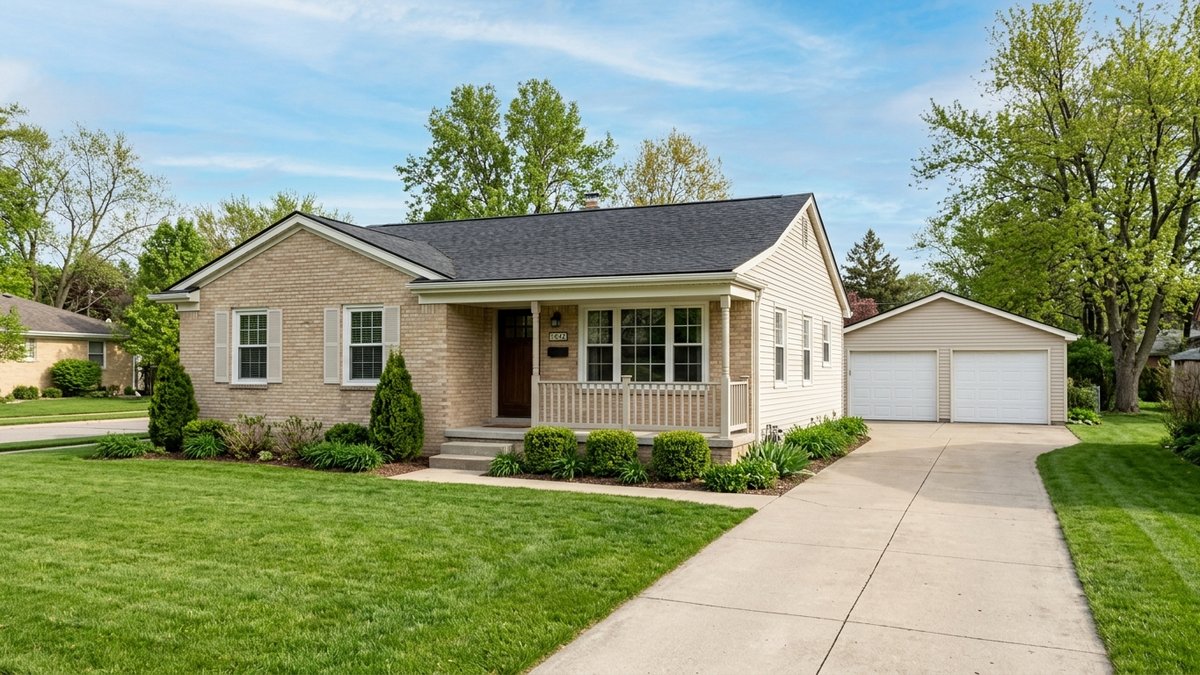
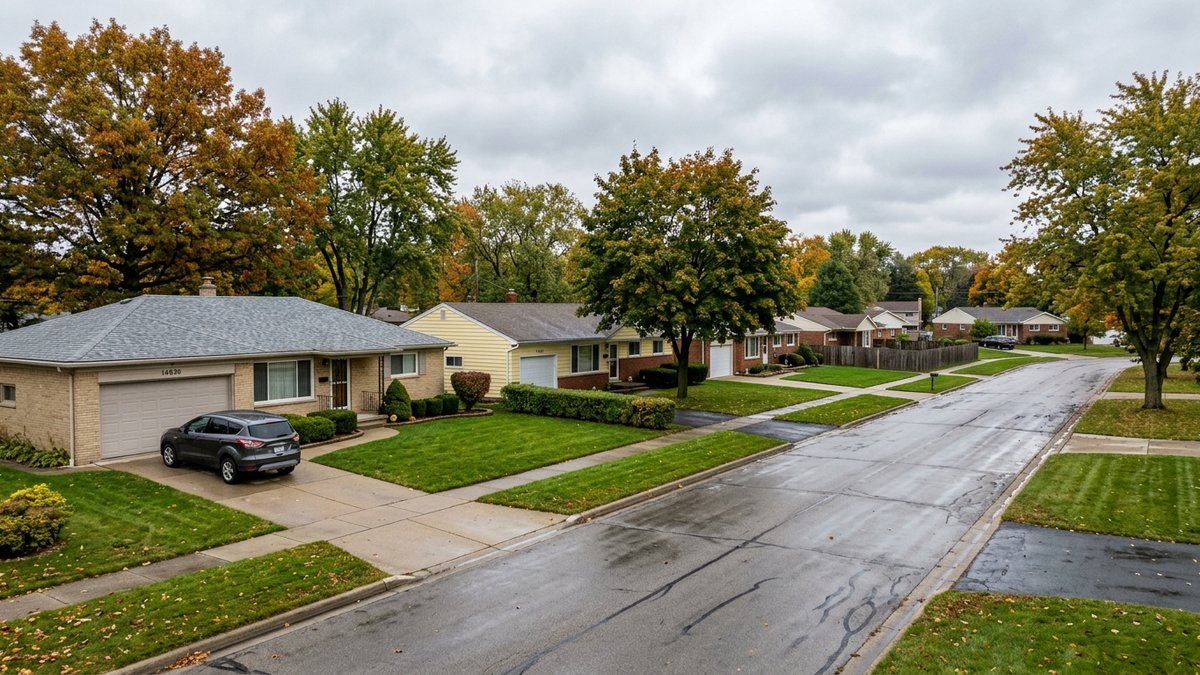
Selling first is usually the safer Taylor plan
If you own a home in Taylor and want to buy your next place, the cleanest answer is usually this: sell first if you need the equity.
For the broader local context behind this article, start with the Taylor MI Real Estate Guide and the Downriver sell-before-buying guide.
That does not mean you have to move twice. It means your listing, offer strategy, lender plan, and closing dates need to be lined up before you write offers.
Taylor is not a market where you should assume your house will sell overnight. Redfin reported a March 2026 median sale price of $168,000 in Taylor, with homes averaging 40 days on market. Realtor.com showed a similar median range around $169,000.
Those numbers matter because your next purchase depends on timing. If your current home takes 40 days to sell, you still need time for inspection, appraisal, title work, lender conditions, and closing.
For many Taylor homeowners, selling first helps you avoid three common problems.
- carrying two mortgage payments.
- writing a weak offer because your purchase depends on a future sale.
- guessing at your down payment before you know your net proceeds.
The stronger move is to start with your current house. Get a realistic value range, estimate your seller costs, and talk with your lender about what you can buy.
If you are early in the process, start with your numbers. A home value review gives you a better baseline than guessing from online estimates.
What are the risks of selling before buying?
The biggest risk is temporary housing. If your Taylor home closes before you secure the next one, you may need a short rental, family housing, storage, or a negotiated occupancy agreement.
That part needs to be planned before you list. Do not wait until you have an accepted offer to ask where you will go.
Selling first can create pressure in three spots:
- You may feel rushed to buy the next house.
- You may need to negotiate post-closing occupancy.
- You may have moving and storage costs if dates do not line up.
The upside is that your buying numbers become clearer. You know what you sold for, what you owe, and how much cash can move into the next purchase.
In my experience, that clarity usually helps buyers make better offers. You are not buying with a number that might change after inspection negotiations or appraisal.
Taylor’s current pace also supports a careful plan. Redfin reported 56 Taylor homes sold in March 2026, up from 50 the prior year. That shows activity, but the 40-day average timeline means you still need room in the schedule.
Reduce temporary housing risk before the sign goes in the yard. Ask whether your buyer can allow occupancy after closing. Ask whether your lender can approve you once your current home is under contract.
Your best path depends on equity, payment comfort, condition, and purchase flexibility.
If your next search includes other Downriver cities, use the Downriver city guides to compare local price points.
What are the risks of buying first?
Buying first sounds easier because you move once. The problem is that it often shifts the risk from logistics to money.
If you buy before selling, you may need to qualify while still carrying your Taylor mortgage. Your lender will review income, debt, reserves, down payment source, and your current payment.
Verify this with your lender before you tour homes seriously. This is general real estate information, not lending or financial advice.
Buying first can work when you have one of these advantages.
- enough cash for the next down payment without selling.
- lender approval for both payments.
- bridge financing or a home equity option that fits your file.
- a strong backup plan if your Taylor sale takes longer.
The brief notes that some bridge loan or HELOC options can add costs. Saward Team cites typical closing fees around $400 to $800. Interest, timing, lender rules, and payoff details can change the decision.
Ask your lender these questions before you rely on a buy-first plan:
- Can I qualify for the new mortgage before my current home sells?
- How much cash must stay in reserves?
- What happens if my Taylor home appraises lower than expected?
- What costs come with bridge financing or a HELOC?
Do not treat bridge financing like a quick fix. It is still a financing decision. Verify terms with your lender, and talk with your CPA or attorney if tax or legal questions are involved.
If you buy first, you may feel pressure to sell fast. That can lead to rushed pricing, fast repair concessions, or a weaker net.
Buying first is not wrong. The plan just has to survive real numbers.
If you are shaping the purchase side, start with the buyers guide so your lender steps, offer terms, and inspection plan are clear.
How should you time both closings?
The best timing plan starts backward from your next purchase. You need to know when you want to move, how much equity you need, and how flexible your buyer can be.
A common Taylor move-up plan looks like this:
- Get a local value range and seller net estimate.
- Talk with your lender about buy-first and sell-first options.
- Prep your current home before active shopping gets serious.
- List with pricing that matches the current Taylor market.
- Negotiate closing and occupancy around your next purchase.
Saward Team’s Downriver timeline gives a helpful planning range. Their research says correctly priced Downriver homes often accept offers in 10 to 21 days. Closing commonly takes 30 to 45 days after the offer.
That means a clean sale can still take roughly six to ten weeks from listing to closing. Inspection repairs, buyer financing, appraisal conditions, title work, and occupancy terms can all affect the schedule.
Taylor’s 2026 numbers argue against casual timing. Realtor.com reported Taylor for-sale listings were up 16.33 percent year over year, and 5.56 percent month over month. More inventory can give buyers more options.
A smart listing plan makes the next purchase easier. Before your home goes live, handle the obvious prep.
- clean up deferred maintenance.
- price against active Taylor competition.
- decide which repairs you will handle before inspection.
- know your minimum net number.
A short occupancy agreement can help you sell first while giving you time to close on the next home. Your agent and title company can explain the local process.
Do not leave the plan vague. Closing date, occupancy, inspection timing, appraisal risk, and buyer financing can matter as much as price.
When does buying first make sense?
Buying first can make sense when your Taylor sale is not controlling the whole decision.
That usually means you have stable cash, clear lender approval, and a property that should sell without major condition problems. It also helps when the next home is rare enough that waiting could cost you the right fit.
Examples might include a specific layout, a larger garage, a first-floor bedroom, or a location near work. Those are property needs, not guarantees that buying first is financially right.
You still need to pressure test the plan. Ask what happens if your Taylor home sits for 60 days instead of 30. Ask what happens if inspection negotiations lower your net.
A buy-first plan is stronger when the lender has reviewed both payments, you have reserves, and your current home is priced realistically.
If any of those are weak, selling first deserves serious attention.
For many move-up buyers, the best answer is a coordinated plan. Prepare the Taylor home, get lender approval, watch the next-home market, and list when your buying path is ready.
That kind of plan is why the sellers guide and the buying plan need to work together.
Your best answer depends on equity and pressure
Here is the practical takeaway: sell first if you need your equity, need a stronger offer position, or want to avoid two payments. Consider buying first only if your lender and cash reserves support it.
Taylor’s market gives you room to plan, but not room to guess. With median sale prices around the high $160,000s and average days on market around 40 in March 2026, your timeline needs a buffer.
The next step is to run both paths side by side. One path shows your net after selling first. The other shows the cost and risk of buying before the Taylor sale closes.
I walk clients through this before they list or write an offer because the right answer changes by house, equity, lender file, and timing.
Frequently asked questions
Is it better to sell first or buy first in Taylor Michigan?
Selling first is usually safer if you need your current home equity for the next purchase. Buying first can work if your lender approves both payments. Your best answer depends on equity, payment comfort, and how quickly your Taylor home is likely to sell.
How long does it take to sell a house in Taylor?
Redfin reported Taylor homes averaged 40 days on market in March 2026. Saward Team's Downriver research says correctly priced homes often accept offers in 10 to 21 days, then close in 30 to 45 days after the offer. Your timeline can change based on price, condition, financing, inspection, and appraisal.
Can I make an offer before my Taylor house sells?
Yes, but the strength of that offer depends on your financing and the seller's tolerance for a home sale contingency. Some sellers may choose a buyer with fewer conditions. Talk with your lender before you assume you can carry both homes.
What should I ask my lender before buying first?
Ask whether you can qualify while keeping your current mortgage and how much cash must stay in reserves. Also ask whether bridge financing or a HELOC fits your file. Verify all lending details directly with your lender.
Sources
Ready to talk strategy? Call David Goad at 313-319-7688.
If you want to dig deeper into the local market, check out the Taylor MI Real Estate Guide . And if you want to get a better feel for who I am and how I work, here's the About David Goad — Downriver Realtor page. If you're comparing agents and trying to figure out who really knows this market, this page on the best Realtor in Downriver MI gives you more context too.