
Selling a Downriver Family Home: Order of Operations
Why a family home sells differently than a starter
A family home you have lived in for 10 to 30 years carries more decisions than a quick flip or a starter resale. There is more stuff to clear, more deferred items to weigh, more rooms that have been used hard. The pricing also runs differently. Long-time owners often have a memory of the neighborhood from a different decade, and the comps that matter today are not the comps from when you bought.
The sellers who do this well treat the prep, the price, and the timeline as one connected plan. The sellers who struggle treat them as separate problems and end up reacting to each one as it comes up. Pull our Downriver real estate guide and the sellers page early. They show what the local market expects from a listing in your range.
What should you tackle in the prep phase?
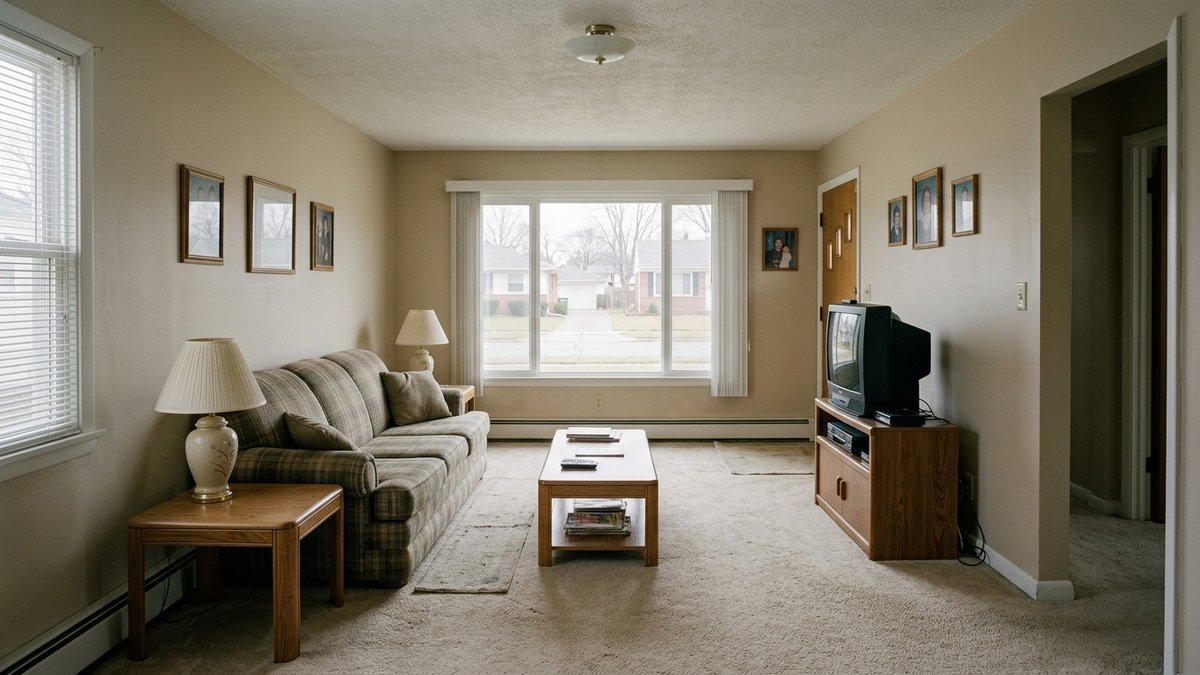
Start three months out if you can. Most family homes need a real declutter before any photos get taken. That means more than a tidy. Donate, sell, or store anything that does not belong on the daily counter or shelf. Every personal photo, note on the fridge, or pile in the corner reads to a buyer as ‘this house is full,’ even when the room itself is fine.
Then handle the deferred items you have been putting off. Touch-up paint matters more than full repaints in most rooms. The exception is a heavy color or a teen bedroom that needs to read neutral. Repair anything you would have called a handyman about anyway: a loose railing, a stuck window, a soft spot in the floor, a leaky faucet. None of these are deal-killers individually. Together they accumulate as ‘this house was tired’ on a buyer’s tour.
Finally, deal with the outside. Power wash, mulch, edge, trim, paint the front door if it needs it. The first photo a buyer sees online and the first impression of the curb walk are doing more work than any single interior room.
If you are managing this from out of state or balancing a job, split the work three ways. Decide what you will do yourself, what you will pay a service for, and what your agent can coordinate. A clear split saves you from doing 60 percent of three jobs and finishing none.
How do you price without anchoring on what you paid?
Pull recent sold comps in your specific Downriver city, not the whole region. Allen Park, Wyandotte, Trenton, Riverview, and Brownstown each price a similar home differently. So do the smaller pockets inside any one city. The 90-day window of recent solds tells you more than the 12-month average, because the market shifts faster than people remember.
Forget what you paid. Forget what your neighbor sold for in 2019. Look at what is closing right now in your range, in your city, on a comparable lot. A free home value check gives you a good first read. Then sit with an agent who knows your specific street and walks the comps with you in person if possible. Pricing wrong, in either direction, costs more than any other single decision in the sale.
If the right price is below what you mentally hoped for, that is information, not a setback. Pricing right gets you offers, traffic, and stronger negotiating ground. Pricing high gets you a stale listing and eventual cuts that read as price drops to every buyer who watches the listing.
What inspections should you front-load before the buyer’s report?
The Downriver housing stock is older than a lot of regional markets. That is not a problem. It just means certain items come up on most inspection reports. Knowing what is likely to land in your buyer’s report lets you fix it, price it in, or get a quote ready to share.
The items that come up most often are roof condition and remaining life, electrical panel age and grounding, and plumbing materials. Basement moisture, furnace and water heater age, and chimney condition also show up frequently. None of these need a full pre-listing inspection in every case, but knowing where you stand on each helps. A 30 minute walkthrough with a contractor you trust often gives you a real read.
If you have any past insurance claims, settled water damage, foundation work, or a known issue you fixed years ago, gather the paperwork up front. Buyers will ask. Showing the receipt and a clean follow-up beats explaining it from memory at the negotiation table.
How should you handle showings and the negotiation phase?
Once you list, the home is no longer fully yours during showing windows. Plan for that. Decide where you and the kids and the dog go during showings, how the routine works, and which items you will leave staged versus which you will live with. The cleaner the showing, the better the offer pool.
Ask your agent how they handle feedback and offer review. The strongest sellers know exactly when to expect updates and what counts as an actionable signal. A handful of low-traffic days plus weak feedback usually means a price or photo issue, not a market issue. A heavy first weekend with no offer often means a price ceiling buyers are not willing to cross. Both are fixable when caught early.
When offers land, write down your floor in advance. The number you will not go below. The closing date you cannot move past. The repair credit you will accept. Once those are on paper, the negotiation becomes a process, not a feelings argument. The cleanest sellers I work with are the ones who decided their lines in advance and just executed when the moment came.
What questions should you ask before signing the listing agreement?
Ask the agent to walk you through the comps and the price logic out loud. Not the slick presentation, the actual reasoning. If they can explain why your home is at one specific number, not the one above or below, you have a partner you can trust on a hard call later. If the explanation feels like a brochure, push for a real one or look elsewhere.
Ask what the marketing actually looks like for a home in your specific Downriver city and price range. Photo style, copy approach, listing platforms, social, open house plan, agent network outreach. Ask to see the marketing they did for two recent solds that look like yours.
Ask how they handle the moments where the deal could come apart. Inspection back-and-forth, low appraisal, financing slip, last-minute requests. The honest answer to those questions tells you whether you have an agent who knows the field or a script. You can reach out any time to walk through any of this before you commit.
Finally, ask the question that protects the sale. Based on the prep, the price, and the timing, would they recommend listing now, fixing one or two items first, or waiting a few weeks for a stronger window. A good agent will tell you when the obvious move is not the right one.
Frequently asked questions
How long should we plan for prep before listing?
Three months is a comfortable runway for most Downriver family homes. That gives time to declutter, paint, do small repairs, and handle the outside without compressing into the same weeks as the actual move. If you can only do six weeks, focus on declutter, exterior cleanup, and the worst three rooms in the house.
Should we get a pre-listing inspection?
Often not necessary, but a 30 minute walkthrough with a trusted contractor or the agent you would work with is. The goal is to know what is likely to come up on the buyer's inspection. Then you can decide whether to fix it, price it in, or have a quote ready. A full pre-listing inspection makes more sense when there is a known major issue or when you need maximum certainty for a relocation timeline.
How do we price when the comps are all over the place?
Pull comps that match your specific city, lot type, and condition tier inside the last 90 days. Throw out the outliers. Ask your agent to walk you through which solds were renovated, which were as-is, and which had concessions. The right price is usually a tight range, not a single number, and your starting price is a strategy decision based on traffic and offer goals.
Do we need to fix everything before listing?
No. Fix the items that show in photos and the items that read as deferred maintenance on a walkthrough. Get quotes for the bigger items so you can negotiate from a real number. Sellers who try to fix everything often spend money on items that do not move the price.
Can we close on the sale and the next purchase the same week?
It happens, but it adds risk on both sides. A 30 to 60 day buffer is cleaner. If your timing is tight, talk through bridge financing, rent-back arrangements, or short-term rental options before you commit to a closing date. Forcing a same-week close usually creates more stress than it is worth.
Sources
Ready to talk strategy? Call David Goad at 313-319-7688.
If you want to dig deeper into the local market, check out the Downriver MI Real Estate Guide. And if you want to get a better feel for who I am and how I work, here's the About David Goad — Downriver Realtor page. If you're comparing agents and trying to figure out who really knows this market, this page on the best Realtor in Downriver MI gives you more context too.